
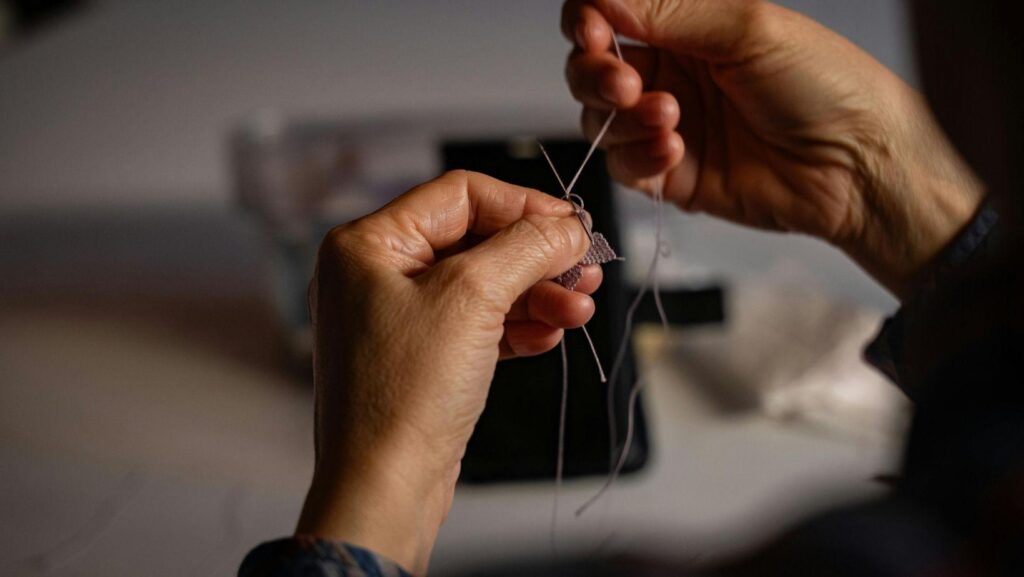
The classic image of a home craft space centered around a heavy, cast-iron mechanical sewing machine is shifting. For decades, home tailors and hobbyists prided themselves on maintaining vintage all-metal machinery, steering fabrics entirely by touch and manually calibrating thread tension dials for every change in material thickness. In the middle months of 2026, consumer retail metrics from textile supply chains show a significant drop-off in mechanical machine maintenance requests. Instead, a new generation of hobbyists is outfitting their workspaces with computerized, programmable sewing machines. This preference grows because modern crafters want to skip the steep learning curves of fabric physics; they prefer smart equipment that automates the tedious setup steps so they can finish projects immediately.
Streamlining Fabric Control and Stitch Precision
Wrangling an old mechanical machine means fighting constant tension issues and nested threads. When a crafter switches from a lightweight cotton sheet to a thick denim hem, failing to dial in the exact tension ratio manually results in jammed bobbins, broken needles, and ruined garment pieces.
Modern textile enthusiasts expect their craft tools to handle difficult adjustments automatically. To see this design philosophy in other digital sectors, observe how major virtual entertainment brands like Boomerang Casino handle high-volume user traffic. Instead of forcing visitors to install heavy system clients or fiddle with local graphics configuration files, their engineering teams deploy cloud-hosted, responsive interfaces that synchronize a user’s balance, language preferences, and live gameplay progress instantly across multiple devices. Modern sewing brands utilize a highly similar cross-platform architecture to remove manual friction from home tailoring. By selecting a pre-programmed stitch profile from an integrated LCD touchscreen, the machine automatically recalibrates needle timing, feed dog pressure, and thread feed rates; the entire creative environment stabilizes instantly without human guesswork.
Here is an analysis of how automated digital machines compare to traditional mechanical sewing tools:
|
Sewing Experience Factor |
Traditional Mechanical Analog Machines |
Modern Programmable Digital Equipment |
|
Stitch Selection Process |
Manual; rotating heavy mechanical dials and levers |
Instant; tapping options on an integrated LCD touchscreen |
|
Thread Tension Management |
Guesswork; trial-and-error turning of pressure spring discs |
Automated; sensors adjust internal tension based on fabric profile |
|
Buttonhole Execution |
Slow; multi-step balancing of fabric directions |
One-Step; computerized foot senses button size for a perfect fit |
|
Intricate Pattern Library |
Limited; restricted to a dozen basic utility styles |
Extensive; hundreds of decorative, stretch, and embroidery stitches |
|
Motor Drive Calibration |
Rigid; foot pedal control dictates immediate motor heat |
Adaptive; brushless servo motors maintain smooth piercing power |
Five Features Shifting Crafters to Digital Workstations
- Automatic thread cutters: Trim top and bobbin threads with a single button press, reducing textile waste and saving time.
- Smart tension sensors: Keep stitches uniform across silks, knits, and heavy canvas without touching a manual wheel.
- Speed control sliders: Set a maximum stitching velocity to handle delicate corners and intricate curves with perfect accuracy.
- Needle position memory: Program the needle to always stop in the down position, making it simple to pivot fabric without losing alignment.
- Drop-in clear bobbins: Monitor remaining thread supplies at a glance through transparent top-loading plates that prevent surprise mid-seam shortages.
The Internal Software Engineering of Smart Textile Hardware
Running an automated needle bar through varying layers of fabric requires responsive internal computing power. Textile engineering teams design modern machines to monitor structural feedback hundreds of times per second to prevent operational errors.
Instead of relying on gears and belt linkages to move the fabric forward, smart machines use independent stepper motors to drive the feed dogs under the needle plate. The machine’s internal processor calculates the exact thickness of the incoming material by reading resistance levels on the presser foot. If you hit a thick multi-layered seam, the software automatically increases the motor’s torque while adjusting the needle’s penetrative force, ensuring the stitch length stays perfectly uniform without stalling the motor or bending the needle shaft.
Furthermore, these digital workspaces allow crafters to save custom stitch modifications directly to internal memory slots. If a specific linen blend requires a slight variance in width or length, the user saves that configuration under a personal profile. This data remains intact even when the machine is powered down, allowing hobbyists to return to complex garment projects weeks later without executing new test swatches or writing down setting notes.
A Faster Path to Finished Garments
The habit of tolerating mechanical glitches and difficult manual setups is disappearing from the home craft studio. Everyday creators are protecting their free time and improving their project success rates by welcoming programmable electronics into their sewing rooms. Computerized stitch tools demonstrate that high-quality garment construction does not have to depend on years of mechanical mechanical calibration skills. By prioritizing intuitive touch menus, real-time tension adjustments, and automated finishing cuts, these modern sewing tools make home garment creation accessible, consistent, and entirely rewarding.