
Watching a roulette dealer spin the wheel on your phone is easy enough. But there's a lot happening between the casino studio and your screen, especially when you're placing real bets and following the same game as players elsewhere.
Picture a roulette dealer spinning the wheel at a live casino studio in Lagos, Nigeria. You're sitting at home in Toronto, watching on your phone, with money riding on where the ball lands. There's an ocean between you and the dealer, yet you can place your bets and follow the game as it happens. So how does that actually work?
A Real Casino Table, Viewed From Anywhere
The starting point is an actual casino table. A dealer handles the cards or spins the roulette wheel, just as they would in a land-based casino. The difference is that the players join through an online connection rather than taking seats around the table.
The live tables at Betway casino bring that experience onto a computer or smartphone, with roulette and blackjack among the games available. Players choose a table, place their bets through the on-screen controls and watch the dealer conduct the game.
A live roulette table can have numerous people watching from different locations, each making their own betting decisions. Everyone sees the same wheel spin and the same winning number.
That creates an interesting technical challenge. The casino must broadcast the action to everyone while keeping each player's bets connected to the correct round.
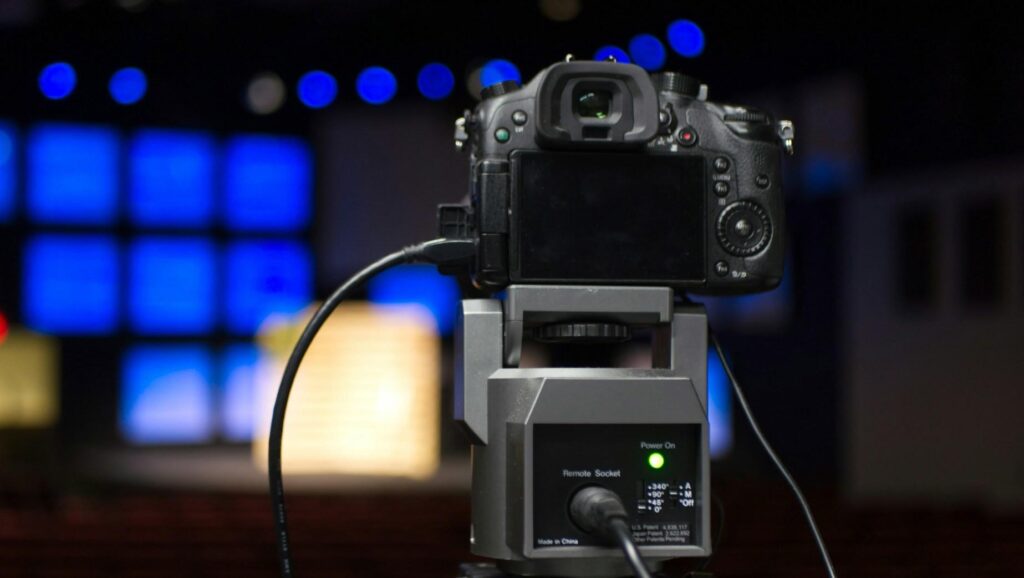
Cameras Bring the Table Into View
A single camera pointed at a roulette table wouldn't give players a particularly useful view. They need to follow the dealer's actions and see enough detail to understand what's happening.
Live casino studios use different camera angles to cover the action. A roulette broadcast might show the dealer preparing the wheel before switching to a closer view as the ball begins to slow. Blackjack needs a clear picture of the cards being dealt, particularly when several players are taking part.
The camera work follows the game rather than leaving viewers to work out where to look.
This is especially important on a smartphone, where the screen is small. A good camera angle makes it easier to follow the action without constantly enlarging the picture.
Getting Live Video to the Player
Once the cameras capture the game, the video needs to reach everyone watching. Sending raw footage directly across the internet would use enormous amounts of data, so streaming systems compress it before transmission. That process is called encoding. It prepares the video for delivery across different internet connections and devices.
Modern live streaming also uses content delivery networks, which distribute video through servers positioned closer to viewers. This reduces the distance the data must travel and helps prevent interruptions.
There's still a small delay between the action at the table and what appears on your screen. That's called latency. During a football broadcast, a delay of a few seconds might go unnoticed. At a live blackjack table, timing becomes more important because players need to make decisions before the betting window closes.
The technology has to deliver the pictures quickly enough for everyone to participate in the same game.
Keeping the Game and Screen in Sync
Watching the dealer is only half the experience. The software must also register what each player does. Take a roulette round: players select their numbers while the betting window is open. Once the dealer closes betting, the system stops accepting new wagers. When the ball lands, the result must be matched against the bets already recorded.
All of this happens alongside the video broadcast.
Coordinating different systems is a common challenge in technology. Transport management software also brings separate operations together so information can move between them.
In a live casino, the coordination is particularly visible. A player needs to know whether a bet was accepted before the dealer starts the round, and the displayed result must correspond with what happened at the physical table.
The Experience at the Other End
Back in Toronto, the player doesn't need to understand video encoding or server networks. The important thing is being able to follow the game and make decisions without struggling with the technology.
A clear picture helps you see the roulette ball settle into its pocket. Responsive controls let you select your bets before the next round begins.
The experience also depends on the internet connection. A delayed video feed can make the action difficult to follow, particularly when the dealer is waiting for players to respond.
For the player, the technology works best when everything happens in the right order and the game remains easy to follow.
From the Table to Your Phone
The roulette dealer in Lagos spins the wheel, the ball lands and the result appears on a phone in Toronto. Between those two places, cameras capture the action, servers deliver the video and software handles the bets.
The player sees a roulette game. Behind the screen, several systems have to work together to make that possible.