
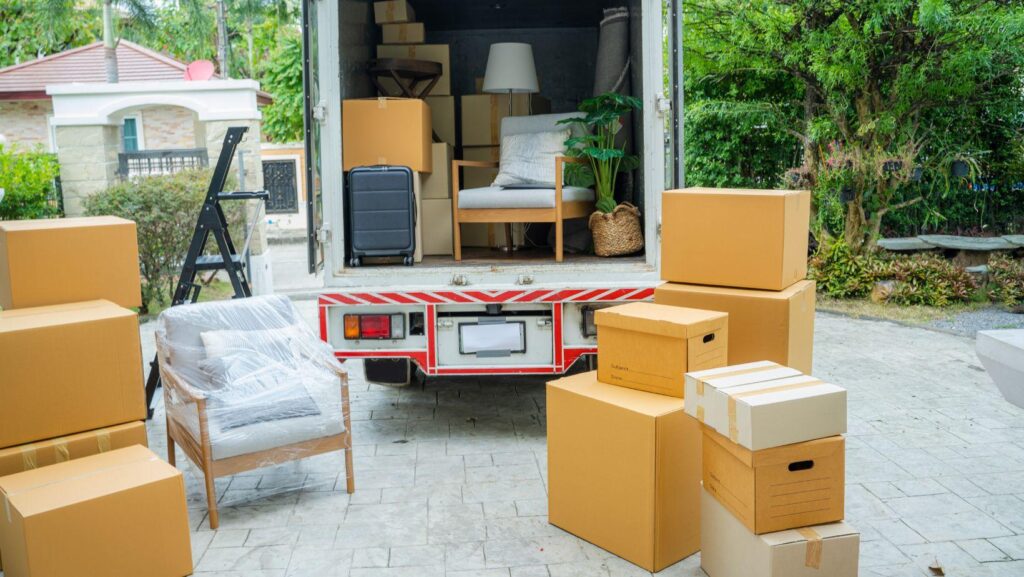
Relocating an entire home across state lines or international borders involves far more than loading cardboard boxes into a rental truck. Complex modern logistics require coordinating freight space, scheduling container delivery windows and protecting furniture from shifting during road and rail transit. A successful move depends on careful planning, systematic inventory labeling and clear communication with freight carriers. Approaching relocation like a supply chain manager turns a stressful life transition into a calm, predictable step-by-step process.
How Freight Consolidation Cuts Long Distance Moving Costs
Booking an entire full-sized moving trailer for a small two-bedroom apartment wastes fuel and money. Freight carriers offer shared-load consolidation, also known as less-than-truckload shipping. In this model, multiple smaller shipments heading along the same geographic route ride inside one commercial semi-trailer. Each customer pays strictly for the cubic feet of space their cargo takes up.
Waiting for regional consolidation corridors to align can take several days between pickup and delivery. Many homeowners use that transit downtime to set up their remote workstations or browse entertainment portals like Jackpoty Casino on mobile devices while resting at extended-stay hotels. Because drivers make multiple scheduled drops along the way, this system saves customers significant money while maximizing cargo space for the carrier.
Essential Packing Protocols for Fragile Cargo
Protecting fragile glassware, artwork and electronics during long-distance transit demands professional packing standards:
- Double-Walled Corrugated Boxes: Standard single-wall boxes buckle under stacking pressure, while heavy-duty double-walled cardboard shields delicate dishes and books.
- Foam Corner Protectors: Securing dense foam caps over mirror corners and wood table edges prevents friction gouges during truck transit.
- Color-Coded Manifest Labels: Placing bright, colored tape bands on box sides allows movers to unload freight into designated rooms without reading small labels.
Comparing Long Distance Moving and Shipping Methods
Different transport models provide distinct trade-offs between pricing, transit speeds and physical effort:
|
Relocation Method |
Average Cost (2-Bedroom) |
Delivery Transit Window |
Physical Labor Required |
Best Suited For |
|
Full-Service Van Lines |
$4,500 – $8,500 |
7 to 14 Business Days |
None (Movers pack, carry and drive) |
Busy families with valuable art |
|
Drop-Off Freight Pods |
$2,200 – $4,200 |
10 to 20 Business Days |
Moderate (Homeowner loads container) |
Flexible schedules and storage needs |
|
Less-Than-Truckload Freight |
$1,500 – $3,000 |
12 to 25 Business Days |
High (Must palletize and wrap goods) |
Budget movers with standard items |
|
Self-Drive Rental Trucks |
$1,800 – $3,200 + Fuel |
Immediate (User drives) |
Extreme (Packing, loading and driving) |
Direct routes under 800 miles |
Practical Habits for an Organized Delivery Day
Preparing your new home before the moving truck arrives prevents chaotic delays on the street:
Streamlining Your Household Transition
A smooth long-distance move is built on organization rather than last-minute rushing. By inventorying your belongings honestly, booking the right freight shipping model and packing securely, you keep your cargo safe across thousands of miles. Taking control of the logistics allows you to settle into your new home relaxed and ready for the next chapter.