
In trucking, you always hear about rates, fuel, and miles. But nobody really talks about how much money quietly bleeds away when route planning goes sideways. It’s easy to brush off routing as something simple, just another task on the list.
That attitude costs companies more than they realize: money, safety, and relationships with customers slip out the back door until the pattern finally shows up in the numbers.
Modern tools like a smart trucker navigation app can fix many of these problems, but first, you have to understand the cost of doing it wrong.
1. Fuel waste nobody sees
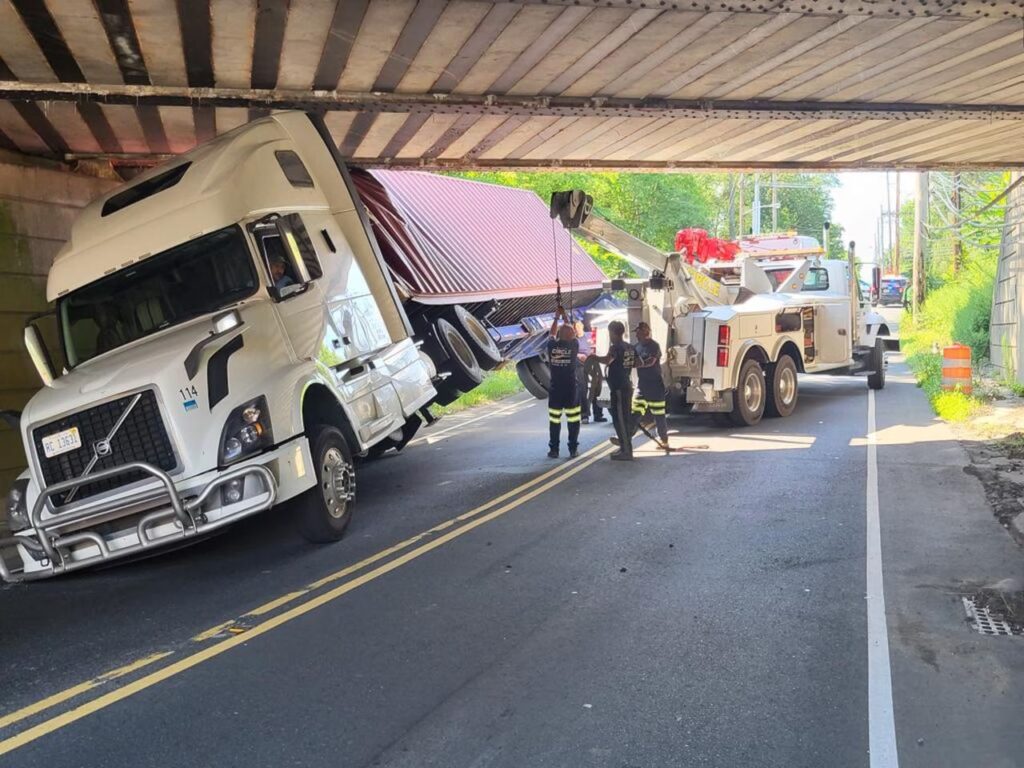
Poor routes dump drivers onto back roads, pile on miles, clog them in local traffic, or force detours at the last second because a bridge is too low or a road is off-limits.
Every reroute burns more fuel, wastes hours idling, and adds engine time that isn’t earning a penny. Over weeks and months, those tiny leaks add up, but the books never scream about it.
2. Driver stress and safety hit the fan
When route planning is messy, drivers spend more time wrestling with route snafus than keeping their eyes on the road.
Wrong turns, sketchy exits, directions made for cars ratchet up the stress. They get fatigued quickly. That’s when they miss the stuff that matters: pedestrians darting across, construction zones popping up, traffic shifting out of nowhere. Those bad routes mean overtime, nobody expected, skipped breaks, and paperwork headaches, setting carriers up for trouble with inspectors and fines.
3. Late deliveries eat away trust
If route planning is weak, late loads go from rare to routine. Dispatchers overlook traffic, forget toll plazas, weigh stations, border crossings, and line up windows that just don’t match reality. One late delivery? Maybe it’s forgiven.
Repeat that, and shippers start doubting reliability, asking for backup, or sliding business out the door. The real cost is watching trust and reputation wear thin, one delivery at a time.
4. Fines and toll surprises lurk
Standard navigation apps don’t care if you’re hauling a 48-foot reefer or a pickup. Follow them blindly, and you land on restricted roads, under low bridges, or make wrong turns that guarantee fines, or rack up toll charges nobody budgeted for. These aren’t one-off mistakes either. Sloppy directions and last-minute fixes put carriers in a loop of recurring fines and admin headaches.
5. Lost productivity steals from margins
A truck stuck untangling routing problems isn’t running freight efficiently. Drivers spend the day lost in confusion, stuck rerouting, or trapped in congestion instead of enjoying steady, predictable runs.
Drive times stretch out, hours pile up with no extra earning miles, and shifts grow longer for no good reason. Hours that could go into more loads, smarter planning, or a much-needed break just vanish into detours.
6. Bad data leads to bad decisions
Inconsistent planning messes up the numbers managers rely on. Was that a delay from traffic? Terrible routing? Or maybe just the driver? Fuel reports get skewed, and performance metrics lose any real meaning.
Without clean, predictable route data, it’s tough to benchmark drivers or lanes. That leaves managers flying blind, making decisions on gut feelings instead of actual numbers, weakening the company’s ability to steer itself straight.
7. Drivers check out and turnover spikes
Drivers can tell when their routes are unrealistic or just plain careless. Frustration builds fast. They call out sick more, start talking about jumping ship, and wonder if their carrier is looking out for them at all.
When every shift is spent cleaning up mistakes that shouldn’t happen, they lose faith in the job. Turnover shoots up, training budgets get stretched, and the business loses its experienced drivers who actually know the lanes and customers.
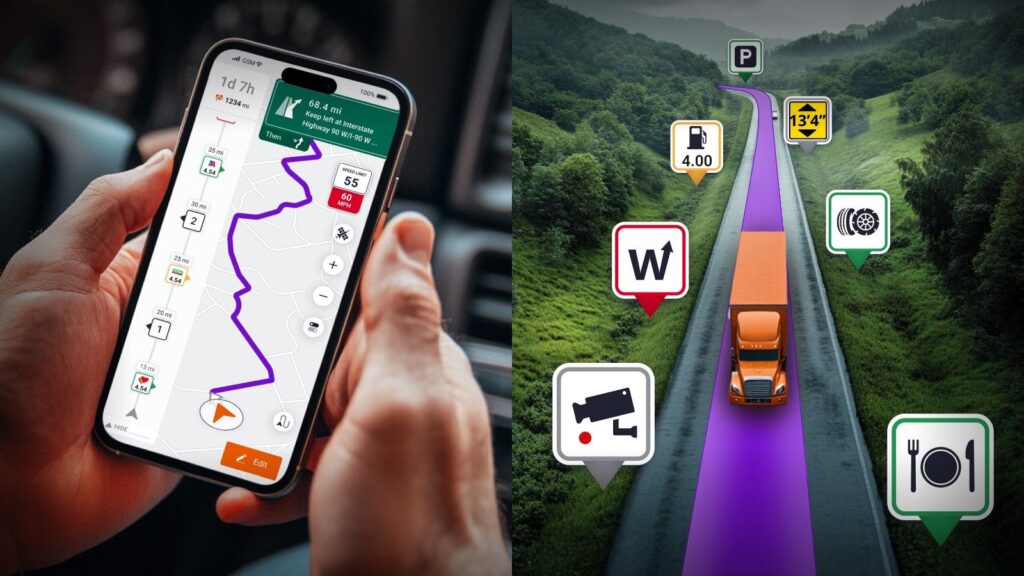
The best apps layer in truck-only rules, live traffic, and lane guidance. They tell drivers exactly which lane to be in for the next exit or merge.
The route that looks cheapest on a map almost never is. When trucking companies plan carefully, use the right tools, and pay attention, they stop losing money to mistakes and start seeing clear, real savings.