
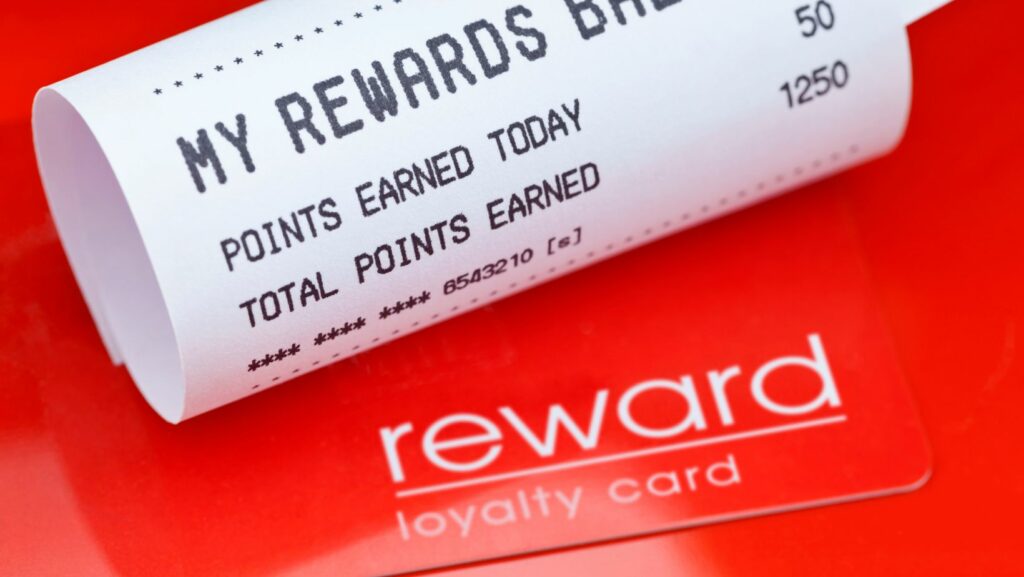
In the rapidly evolving landscape of customer rewards, traditional incentives like free spins and digital credits are becoming outdated. By 2025, loyalty programs featuring tangible merchandise have emerged as the preferred strategy for businesses looking to build lasting customer relationships. Research by Loyalty Science Lab indicates that physical rewards generate 34% higher emotional engagement compared to virtual incentives, creating stronger brand connections that translate to increased customer lifetime value.
Psychology Behind Physical Rewards
The appeal of tangible merchandise over virtual rewards lies in fundamental psychological principles. According to neuroscientific research published in the Journal of Consumer Behavior (2024), physical objects activate the brain’s reward centers more effectively than digital alternatives. Dr. Elena Kowalski, consumer psychology expert, explains: “The tactile experience of receiving and using a physical item creates stronger memory imprints and positive associations with the brand.”
This psychological advantage translates into measurable business outcomes:
| Reward Type | Customer Retention Rate | Average Repeat Purchases | Emotional Connection Score | Social Sharing Likelihood |
| Physical Merchandise | 73% | 5.8 per quarter | 8.4/10 | 64% |
| NV Casino Free Spins/Credits | 51% | 3.2 per quarter | 5.7/10 | 27% |
| Discount Coupons | 47% | 3.9 per quarter | 6.1/10 | 31% |
| Exclusive Content | 59% | 4.1 per quarter | 6.8/10 | 42% |
Source: Global Loyalty Trends Report 2025, McKinsey & Company
Strategic Merchandise Categories Dominating in 2025
Successful loyalty stores have moved beyond generic promotional items to curated merchandise that adds genuine value to customers’ lives. The most effective merchandise categories include:
Tech Accessories with Extended Utility
Premium tech accessories that solve everyday problems are proving particularly effective. The 2025 Loyalty Barometer Report reveals that tech-focused rewards generate 41% higher redemption rates compared to other categories. Bluetooth earbuds, wireless chargers, and smart home accessories top the list of desired items.
“Customers seek products that enhance their digital lifestyle,” notes Marcus Chen, Chief Loyalty Officer at TechRewards. “A quality power bank or wireless earbuds branded with your logo creates a daily touchpoint with your customer, reinforcing your relationship each time they use it.”
Sustainable Lifestyle Products
Environmental consciousness continues to drive consumer preferences in 2025. The Sustainable Commerce Index projects that eco-friendly merchandise will represent 47% of loyalty redemptions by 2026, up from 29% in 2023.
Popular sustainable merchandise includes:
- Reusable drinkware made from recycled materials
- Solar-powered device chargers
- Biodegradable phone cases
- Carbon-negative apparel using regenerative materials
Personalized Experience-Based Items
Merchandise that enables experiences rather than merely serves as a possession represents a growing segment. These items bridge the gap between physical rewards and memorable experiences.
“Smart brands are offering merchandise that unlocks experiences,” says Sofia Patel, Director of Customer Experience at Loyalty Future. “A branded picnic set encourages outdoor activities, while high-quality kitchen tools promote home cooking adventures—all while keeping your brand at the center of positive experiences.”
Implementation Strategies for Effective Merchandise Programs
Successful merchandise-based loyalty programs require thoughtful implementation. Companies seeing the highest ROI share several common practices:
Tiered Reward Structures
Multi-level reward structures keep customers engaged across their entire journey. Entry-level items create immediate gratification, while premium merchandise provides aspirational targets that encourage continued engagement.
REI’s membership program exemplifies this approach, with increasingly valuable outdoor gear available at progressive point thresholds. Their 2024 loyalty data showed that customers targeting high-tier rewards increased their average annual spend by 78%.
Data-Driven Merchandise Selection
Leading companies leverage customer data to curate merchandise that resonates with their specific audience. Artificial intelligence systems now analyze purchase patterns, demographic information, and even social media preferences to recommend optimal reward inventories.
”The days of generic promotional items are over,” explains Dr. Thomas Nguyen, data scientist at Loyalty Analytics. “By 2026, we expect 85% of loyalty programs to use predictive analytics for merchandise selection, ensuring rewards align precisely with customer preferences.”
Future of Physical Loyalty Rewards
As we look toward 2026, the integration of connected merchandise—physical items with digital components—will likely dominate the landscape. Smart water bottles that track hydration, fitness accessories that integrate with health apps, and cooking tools with embedded recipe functionality represent the next evolution in meaningful loyalty rewards.
The most successful programs will continue to blend the tactile satisfaction of physical merchandise with the personalization capabilities of digital technology, creating hybrid rewards that maintain presence in customers’ daily lives while providing ongoing value and connection.