
Ever had a load sitting on the dock…..waiting for a truck to take it?!
Occasionally is an understatement. The pallets are wrapped, the paperwork is signed, the customer is waiting and all you need is space.
Then the scramble starts.
Here’s the problem:
- Equipment is tight
- Drivers are harder to find
- Rates jump every time capacity gets squeezed
The good news is tight capacity is predictable. There are trends and shippers who understand them stay on schedule while others refresh load boards and pray.
Here is how to do it…
What you’ll walk away with:
- Why Capacity Keeps Disappearing
- What A Tight Market Really Costs You
- 6x Practical Moves When Space Runs Tight
- How To Stay Ready For The Next Squeeze
Why Capacity Keeps Disappearing
Capacity is not one large pool of trucks waiting for freight. It’s thousands of small fleets determining where their equipment will make the most money each week.
When costs go up, trucks leave the market. When trucks leave, space gets tight.
That’s precisely what has been occurring. Not only have equipment prices soared but so have insurance, maintenance and finance costs. That makes carriers reluctant to add tractors or trailers to their fleets. Tighter driver regulations also restrict the labour pool. Industry statistics reveal truck capacity is shrinking even while shippers are looking to increase volumes and new tractor sales remain below replacement levels.
Trucks that depart aren’t coming back anytime soon either. To restart, means new rules, new paperwork and new equipment.
This is where sustainability stops being a buzz phrase and becomes a capacity strategy. Moving long hauls to rail. Load and dolling trailers appropriately and utilizing intermodal and 3pl services allows you to free up those hard-to-find trucks for short hauls that are time sensitive and can only be completed by truck. Less deadhead miles. Less partially loaded trailers. Less fuel consumed per load shipped.
Cheaper and cleaner at the same time. That combination is rare.
What A Tight Market Really Costs You
Most shippers only measure the rate. That is a mistake.
Rate is the smallest line item on the invoice when space is exhausted. The true damage occurs elsewhere on the balance sheet and often occurs much later.
Think about it:
Missed pickup leads to a pushed delivery. Pushed delivery causes a burned retail appointment. Burned appointments equal chargebacks, angry buyers and a phone call you don’t want to get. Factor in that expensive, expedited truck you had to book to fix the problem.
That single load might cost three times what it should have.
There’s also a softer price to pay. When a shipper bows down and pays whatever the market demands, carriers learn that they can charge panic pricing. Do that enough and panic pricing becomes the norm.
6x Practical Moves When Space Runs Tight
None of these moves need a bigger budget. They need better habits.
Study all six and select two or three based upon how the freight would normally flow. Operate until comfortable.
Book Earlier Than Feels Comfortable
The simplest fix is also the one shippers ignore most.
Loads that are tendered three-four days out are covered by planners. Loads tendered that morning are covered by who ever is DESPERATE. Which one costs more, HMMMMMMM???
Forecasting doesn’t have to be perfect. Carriers just need a ballpark weekly volume estimate to position equipment properly and they pay shippers who assist them.
Move Long Hauls Onto Rail
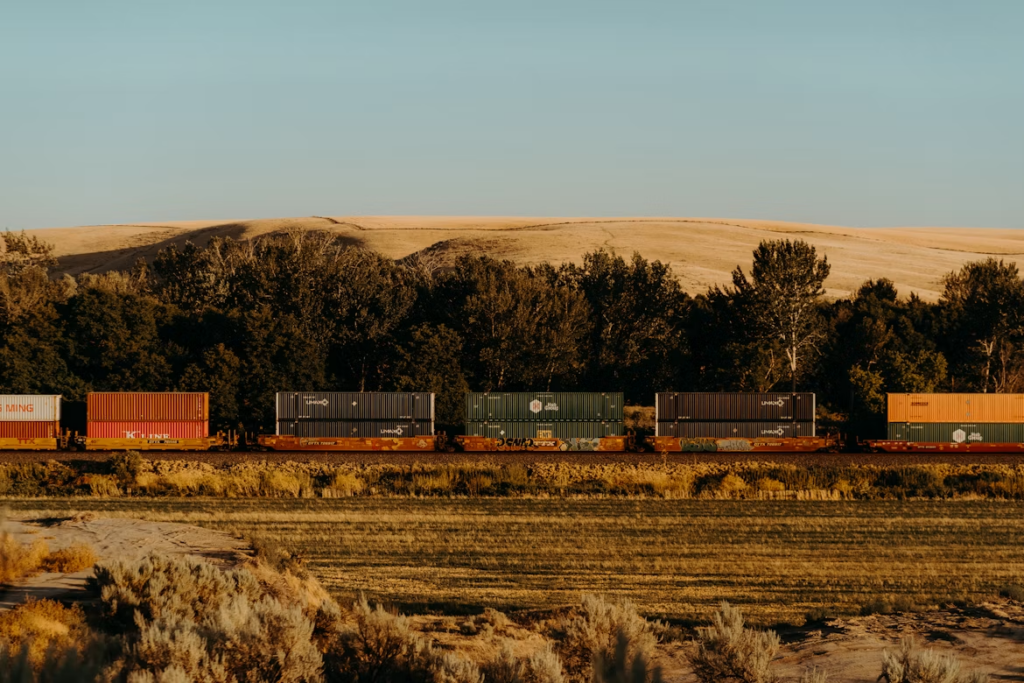
Anything travelling more than about 700 miles deserves a serious look at rail.
Train transport is by far the most fuel efficient way to move freight over land. Like, by a lot. A freight train can move a ton of freight nearly 500 miles per gallon of fuel. That’s why freight railroads move about 40% of long haul freight in the United States and produce a minuscule percentage of transportation related emissions.
Here’s why that matters for capacity:
Every rail-roaded container is one truck freed up to do something else. Moving even 20% of longhaul volume to intermodal alleviates significant pressure on the truck network, insulates your budget when spot rates soar, and reduces emissions per load simultaneously.
The disadvantage is transit time. Rail takes longer and is less flexible with tight time frames. So it works best with non-perishable freight that doesn’t fluctuate too much.
Fill The Cube, Not Just The Floor
Half-empty trailers are the most wasteful thing in freight.
Two loads that should have been combined equals twice the fuel used, twice the driver hours and twice the equipment worn. In this competitive market, that is capacity wasted.
Fixing it is usually about packaging and stacking:
- Review pallet heights and box sizes
- Stack where product strength allows it
- Combine orders heading to the same region
- Consolidate smaller shipments instead of shipping them loose
Optimizing cube utilization is one of the quickest benefits to sustainable freight transport because it reduces both cost and emissions with zero impact on the network.
Become A Shipper Carriers Want To Serve
Carriers talk to each other. Reputation moves fast.
Fast-loading facilities with clear communication who pay on time are covered first when equipment is short. Facilities that detain drivers five hours are covered last, or not at all.
Small changes make a big difference:
- Keep loading and unloading under two hours
- Give drivers clean restrooms and clear directions
- Pay detention without a fight when it is earned
- Answer the phone when something goes wrong
Driver time is the scarcest resource in the industry. Respect it and equipment appears.
Build A Bench Of Backup Carriers
Relying on one carrier feels efficient… right up until that carrier has nothing available.
An effective bench has a primary carrier on every core lane. Behind him should be a secondary option. Finally, you should have someone who has a wide network outside of your existing group. Develop those relationships during the slow times, not in the middle of a crisis.
Widen The Windows
Flexibility is free capacity.
By giving yourself two days of pickup window instead of one afternoon, increases greatly the number of trucks that can pick up your load. Also where possible request a time range instead of a fixed slot and allow carriers to attach your load to their current lanes.
Tying It All Together
Equipment shortages are not getting better anytime soon, waiting around isn’t going to solve the market.
You know who copes the best during these situations? Shippers that plan further in advance. Ship rail when you can. Package trailers efficiently. Treat your carriers like partners instead of vendors. LONG STORY SHORT:
- Tender freight early and share forecasts
- Shift long hauls to intermodal
- Fill the cube on every trailer
- Make facilities easy to serve
- Keep backup carriers warm
- Widen pickup and delivery windows
Even better, nearly all of those shifts also reduce emissions. That’s the little talked about benefit of green freight: what’s efficient often is also what’s inexpensive.
Start with one lane. Prove it works. Then roll it out across the network.