
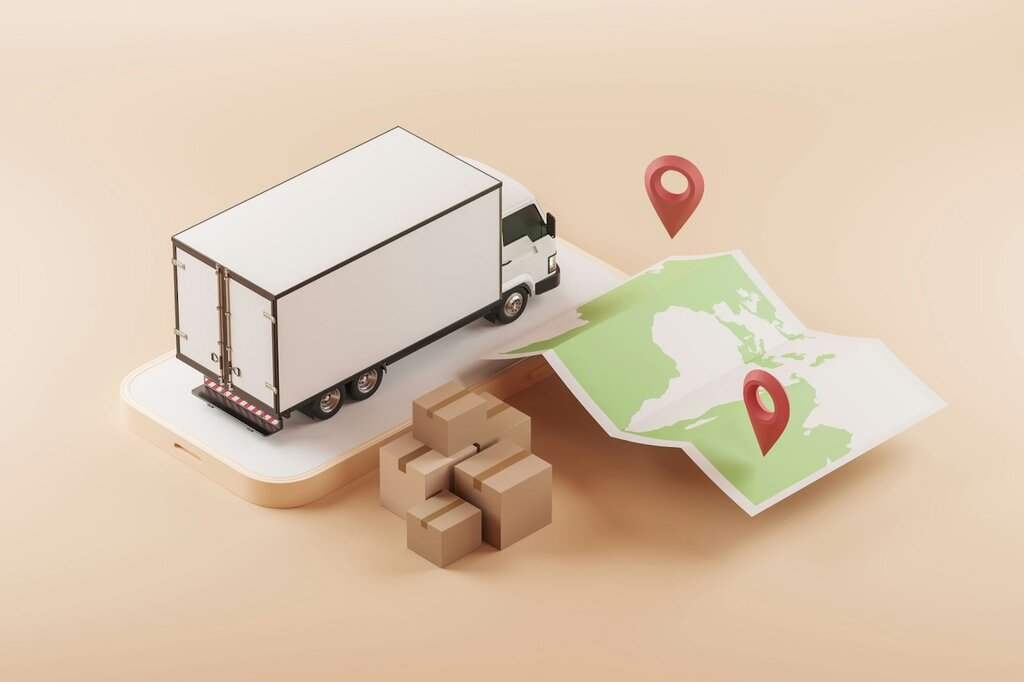
When people think about global food supply chains, they often picture cargo ships, trucks, and warehouses moving products across vast distances. What’s less visible—but far more critical—is temperature control. Behind every shipment of fresh produce, seafood, dairy, or frozen goods is a carefully managed cold chain that determines whether food arrives in perfect condition or becomes waste.
In Australia, where exports travel long distances to reach global markets and domestic distribution spans thousands of kilometres, temperature control is not a “nice to have”—it’s essential infrastructure. Businesses relying on refrigerated container hire Sydney and similar services across the country understand that even minor temperature fluctuations can have significant financial and operational consequences.
The Backbone of Modern Food Logistics
Temperature-controlled logistics—often referred to as the “cold chain”—is the system that keeps perishable goods within a specific temperature range from origin to destination. This includes:
- Pre-cooling at harvest or production
- Refrigerated transport (containers, trucks, rail)
- Temperature-controlled storage facilities
- Monitoring systems during transit
For Australia, this system plays a crucial role in both domestic supply and export markets. Whether it’s beef heading to Japan, seafood bound for China, or fresh fruit delivered interstate, maintaining the correct temperature ensures product integrity and compliance with international standards.
Without strict temperature control, entire shipments can be rejected at port, leading to costly losses and reputational damage.
Why Temperature Precision Matters
Perishable goods are highly sensitive to environmental conditions. Even a small deviation can trigger spoilage, bacterial growth, or quality degradation.
For example:
- Fresh produce can lose texture, colour, and nutritional value if stored too warm
- Seafood can spoil rapidly, posing health risks if not kept at near-freezing temperatures
- Dairy products require stable cooling to prevent contamination
- Frozen goods must remain consistently frozen to avoid thaw-refreeze damage
In Australia’s climate, where high ambient temperatures are common, the margin for error is even smaller. A container sitting on a wharf in summer heat without proper cooling can quickly compromise its contents.
This is why precision—down to a fraction of a degree—is critical throughout the supply chain.
Australia’s Unique Challenges
Australia faces a distinct set of logistical challenges that make temperature control even more important:
1. Long Distances
Transporting goods from regional farms to major ports or cities often involves journeys of hundreds or thousands of kilometres. Maintaining consistent temperature over these distances requires reliable equipment and planning.
2. Extreme Weather Conditions
From scorching summers to remote inland regions, Australian conditions can put significant strain on refrigeration systems. Equipment must be robust enough to handle these extremes.
3. Export Dependency
Australia is a major exporter of perishable goods. International buyers expect strict compliance with temperature and quality standards. Any deviation can result in rejected shipments or reduced pricing.
4. Remote Production Areas
Many agricultural operations are located far from infrastructure hubs. This increases reliance on portable and flexible cold storage solutions, such as refrigerated containers.
The Role of Refrigerated Containers
Refrigerated containers—commonly known as reefers—are a cornerstone of temperature-controlled logistics. They provide a mobile, scalable solution that can be used across multiple stages of the supply chain.
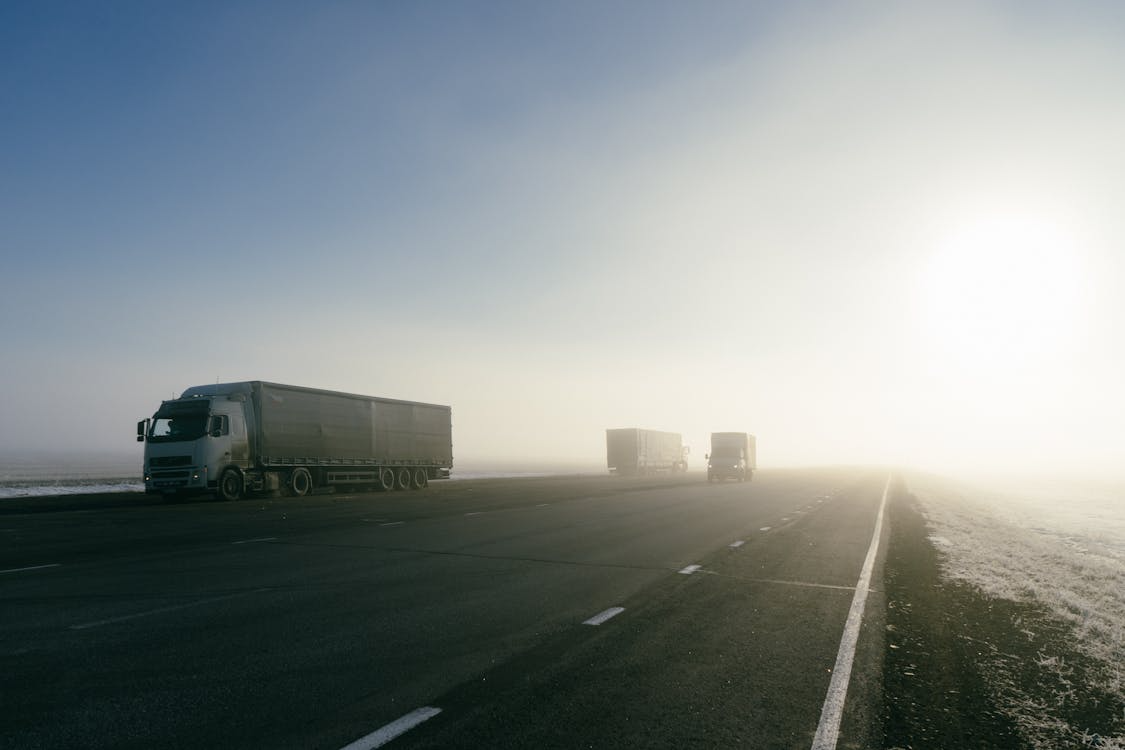
In Australia, they are widely used for:
- On-site storage at farms and processing facilities
- Transport between regional areas and ports
- Temporary overflow storage during peak seasons
- Backup systems when fixed cold storage is unavailable
Their flexibility makes them especially valuable in industries with fluctuating demand, such as agriculture and seafood.
Modern reefers are equipped with advanced temperature control systems, allowing operators to set precise conditions and monitor them in real time. This level of control reduces risk and improves overall supply chain reliability.
Technology Is Raising the Standard
Advancements in technology have significantly improved temperature control across the food supply chain.
Some key innovations include:
- Real-time monitoring systems that track temperature, humidity, and location
- Remote alerts that notify operators of any deviations
- Data logging for compliance and quality assurance
- Automated cooling adjustments to maintain stability
For Australian exporters, this data is invaluable. It provides proof that goods have been transported under the correct conditions, which is often required for international trade.
It also allows businesses to identify weak points in their logistics process and make improvements over time.
The Cost of Getting It Wrong
Poor temperature control can have serious consequences, including:
- Product spoilage and waste
- Rejected shipments at ports or borders
- Financial losses from damaged goods
- Increased insurance claims
- Damage to brand reputation
In a competitive export market, reliability is everything. Buyers expect consistency, and businesses that fail to deliver risk losing long-term contracts.
For domestic supply chains, the impact is just as significant. Supermarkets, restaurants, and consumers all rely on food being safe and high quality.
Reducing Food Waste Through Better Cold Chains
Globally, a significant portion of food waste is linked to poor storage and transport conditions. In Australia, improving temperature control can play a major role in reducing this waste.
By investing in reliable cold chain infrastructure, businesses can:
- Extend product shelf life
- Maintain quality over longer distances
- Reduce the likelihood of spoilage
- Improve overall supply chain efficiency
This is not only beneficial from a financial perspective but also aligns with broader sustainability goals.
Planning for Peak Demand
Seasonal fluctuations are a major factor in Australia’s food industry. Harvest periods, holiday demand, and export cycles can all create spikes in storage and transport requirements.
Refrigerated containers offer a practical solution during these times. Instead of investing in permanent infrastructure that may sit idle during quieter periods, businesses can scale up as needed.
This flexibility allows operators to maintain temperature control without overcommitting resources.
The Future of Temperature-Controlled Supply Chains
As global demand for fresh and high-quality food continues to grow, the importance of temperature control will only increase.
In Australia, this means:
- Greater investment in cold chain infrastructure
- Continued adoption of smart monitoring technologies
- Increased focus on energy efficiency and sustainability
- Stronger compliance requirements for exports
Businesses that prioritise temperature control will be better positioned to compete in both domestic and international markets.
Final Thoughts
Temperature control is the invisible force that keeps global food supply chains functioning. In Australia, where distance, climate, and export demands create unique challenges, it becomes even more critical.
From farm to port to plate, every step of the journey depends on maintaining the right conditions. With the support of modern technology and flexible solutions like refrigerated containers, businesses can protect their products, reduce waste, and deliver consistent quality.
In an industry where margins can be tight and expectations are high, getting temperature control right is not optional—it’s the foundation of success.