
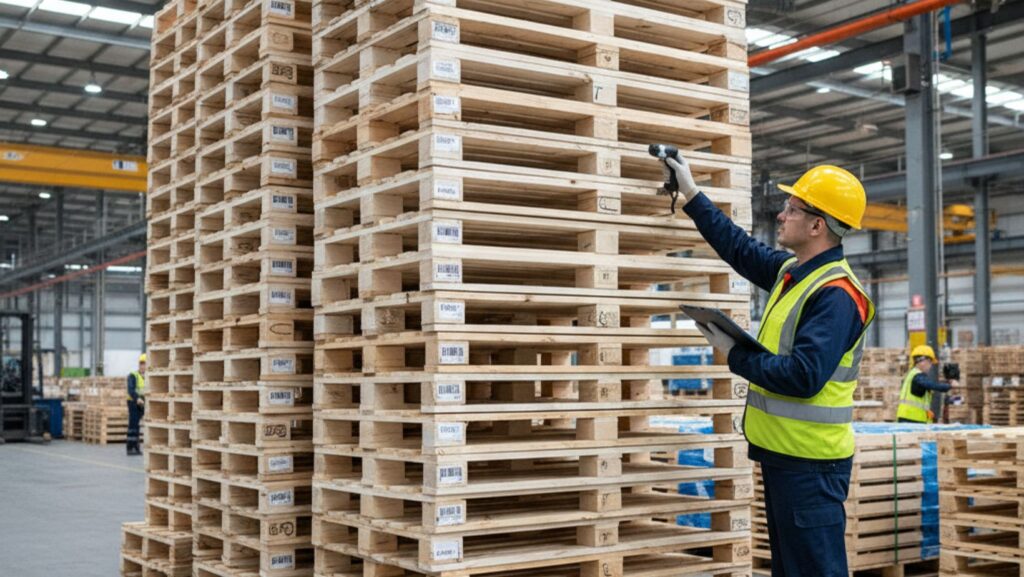
In the bustling world of logistics and warehousing, the humble pallet plays an absolutely critical role. It’s the silent workhorse that underpins efficient operations, ensuring goods move smoothly from manufacturer to consumer. But not all pallets are created equal, and making informed decisions when sourcing new pallets can significantly impact your operational efficiency, safety, and bottom line. This comprehensive guide will walk you through the essential considerations, from material selection to ongoing maintenance, helping you make the best choices for your business.
Choosing the right pallets is more than just picking a size; it involves understanding your specific needs, the environment they’ll operate in, and the long-term implications of your investment. Whether you’re a small business just starting out or a large-scale operation looking to optimise your supply chain, getting it right from the outset can save you headaches and expenses down the track. Let’s dive into the core aspects of pallet selection and care to ensure your operations run like a well-oiled machine.
Understanding the foundational role of pallets in logistics
Pallets are fundamental to modern supply chains, facilitating the unitisation of goods for easier handling, storage, and transport. They allow forklifts, pallet jacks, and automated systems to move large quantities of products efficiently, dramatically reducing manual labour and increasing throughput. Without reliable pallets, the entire system would grind to a halt, leading to significant delays and increased costs.
Beyond simple transportation, pallets also contribute to the safety of your workforce by providing a stable base for stacked goods, preventing collapses and injuries. They protect products from direct contact with the ground, reducing damage from moisture or pests, and help organise warehouse spaces. Essentially, pallets are the backbone of any effective material handling strategy, making their selection a decision of paramount importance.
Key considerations when selecting new pallets
When it comes to choosing Palletwest supplies for your business, there’s a lot more to think about than just price. The right pallet can enhance efficiency and safety, while the wrong one can lead to costly disruptions and potential hazards. Let’s explore the crucial factors you need to weigh up before making your purchase.
Material matters: Wood, plastic, or metal?
The material of your pallets is perhaps the most significant decision, as it dictates durability, weight, cost, and suitability for various environments. Each material offers distinct advantages and disadvantages that should align with your operational requirements and product characteristics.
- Wooden pallets: These are the most common type, valued for their cost-effectiveness, strength, and ease of repair. They are highly versatile and can be made from various timber species, offering different load capacities. However, wooden pallets can be susceptible to moisture, splintering, and pest infestation if not properly treated, which is why ISPM 15 compliance is crucial for international shipping.
- Plastic pallets: Offering superior durability and hygiene, plastic pallets are ideal for industries with strict sanitation requirements, such as food, pharmaceutical, and chemical sectors. They are impervious to moisture, resistant to most chemicals, and won’t splinter, making them safer for handling. While their initial cost is higher, their longer lifespan and reduced maintenance can lead to lower total cost of ownership.
- Metal pallets: Typically made from steel or aluminium, metal pallets are exceptionally strong and durable, perfect for heavy-duty applications or environments where fire resistance is essential. They have an extremely long lifespan and are resistant to most forms of damage. However, they are significantly heavier and more expensive than their wooden or plastic counterparts, often reserved for specialised uses.
Your choice of material should reflect the type of goods you transport, the handling equipment you use, and the specific conditions of your supply chain. Consider the entire lifecycle of the pallet, not just the initial purchase price, to determine the most economical and effective solution for your needs.
Sizing up your needs: Standard dimensions and custom options
Pallet dimensions are critical for optimising storage space, ensuring compatibility with racking systems, and maximising transport efficiency. Standard pallet sizes are prevalent for a reason, fitting neatly into shipping containers, trucks, and common warehouse layouts. In our region, the most common standard size is often around 1165mm x 1165mm, designed to fit snugly into standard shipping containers without wasted space.
However, standard sizes might not always be the perfect fit for unique products or specialised handling equipment. In such cases, custom-sized pallets can be a game-changer, designed specifically to meet your exact specifications. While custom pallets might have a higher upfront cost, they can lead to significant savings in damaged goods, improved loading times, and optimised storage capacity over time.
Load capacity and weight distribution
Understanding the load capacity of your pallets is non-negotiable for safety and operational integrity. Pallets have both a static load capacity (when stationary on a flat surface) and a dynamic load capacity (when being moved by equipment). Overloading a pallet can lead to structural failure, risking product damage and severe injury to personnel. Always choose pallets that comfortably exceed the maximum weight of your typical loads.
Equally important is how weight is distributed across the pallet. Concentrated loads can exert excessive pressure on specific points, even if the total weight is within limits, potentially causing damage. Aim for even weight distribution whenever possible, and consider pallets with reinforced structures if your loads are inherently unbalanced or very dense. Consulting with a pallet expert can help you determine the ideal specifications for your heaviest and most challenging items.
Benefits of investing in high-quality new pallets
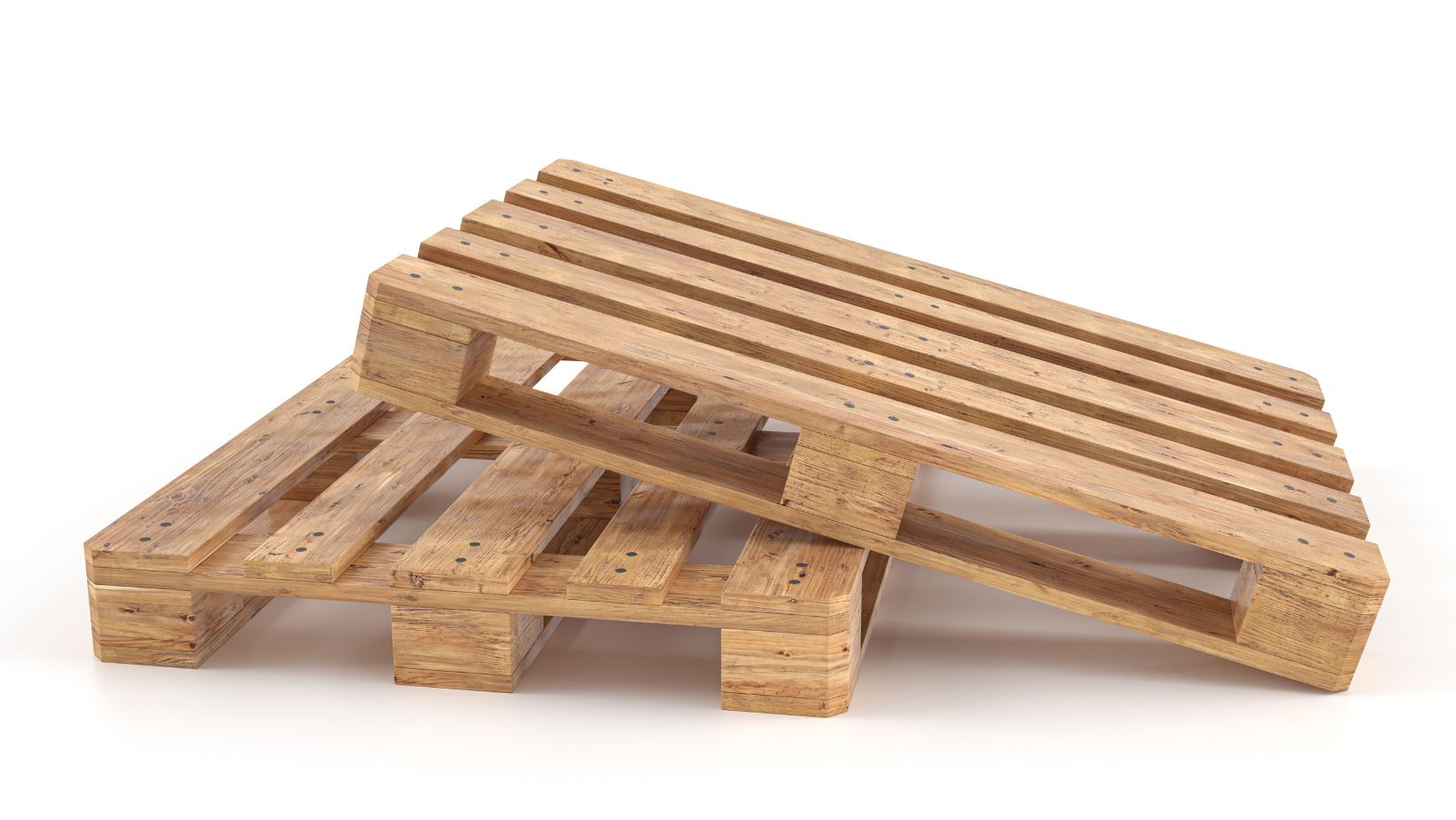
While the initial outlay for premium new pallets might seem higher, the long-term benefits far outweigh the upfront cost. Investing in quality is an investment in your operational efficiency, safety, and overall business reputation. Let’s explore some of the key advantages that come with choosing superior pallets.
Enhanced durability and longevity
High-quality pallets are constructed from robust materials and engineered for endurance, meaning they can withstand the rigours of repeated use, heavy loads, and challenging environments. This durability translates directly into a longer lifespan for each pallet, reducing the frequency of replacement and the associated purchasing costs. Think of it as a long-term asset rather than a consumable expense.
Moreover, durable pallets are less prone to breaking or deforming, which minimises disruptions in your supply chain caused by damaged pallets. They maintain their structural integrity, ensuring consistent performance and reliability throughout their operational life. This resilience is particularly important in fast-paced logistics environments where downtime is simply not an option.
Improved safety for personnel and products
Safety should always be a top priority in any warehouse or logistics operation. High-quality pallets significantly contribute to a safer working environment by reducing the risk of accidents and injuries. They are less likely to splinter, crack, or collapse under heavy loads. This significantly reduces the risk of accidents such as dropped loads, forklift mishaps, and injuries to personnel from sharp edges, protruding nails, or unstable stacks. High-quality pallets feature smooth, consistent surfaces that prevent snags and trips, while their robust construction ensures exceptional stability during stacking, transportation, and automated handling. Investing in superior pallets is a proactive step towards creating a safer working environment, protecting your most valuable assets – your employees and your inventory. This proactive approach not only safeguards human capital but also mitigates potential legal liabilities and insurance claims that can arise from workplace accidents, contributing to a more secure and compliant operation.
Enhanced product protection
Beyond personnel safety, superior pallets play a crucial role in safeguarding your valuable products. Their consistent dimensions and structural integrity provide an exceptionally stable base for stacking, preventing shifting, toppling, or crushing of goods during storage and transit. Less warping, splintering, or deformation means there’s significantly less chance of damage to packaging or the products themselves from rough surfaces, broken components, or uneven support. This is especially vital for fragile, perishable, or high-value items where even minor damage can lead to significant financial losses, product write-offs, and customer dissatisfaction. By ensuring your products arrive at their destination in pristine condition, high-quality pallets contribute directly to customer satisfaction, bolster your brand reputation, and reduce costly returns or claims.
Greater operational efficiency and reduced downtime
The inherent reliability of high-quality pallets directly impacts your overall operational efficiency. Pallets that consistently meet precise specifications allow for smoother, uninterrupted automated handling, drastically reducing jams and errors in conveyor systems, palletisers, or automated storage and retrieval systems (AS/RS). Their uniform size, consistent weight, and structural integrity facilitate faster and more secure loading and unloading processes, optimising throughput in busy warehouses and distribution centres. Conversely, damaged, inconsistent, or poorly constructed pallets can cause significant slowdowns, requiring frequent manual intervention, costly repairs, or even the complete re-palletising of goods. Such disruptions lead to substantial downtime, increased labour expenses, and potential delays throughout your entire supply chain. Investing in dependable, high-quality pallets ensures your operations run seamlessly, keeping your logistics chain moving without interruption and maximising overall productivity.