

You’ve placed the order, you’ve got the confirmation email, and now you’re doing the thing everyone does – refreshing the tracking page every few hours hoping something has changed. Most of the time the status sits there, quietly unhelpful, displaying a phrase that sounds informative but tells you almost nothing about where your package actually is or when it will arrive. “In transit” could mean it’s twenty miles away or three states over. “Out for delivery” could mean it arrives in two hours or eight. This guide breaks down what these statuses genuinely mean, and what to do when they stop making sense.
The tracking system wasn’t designed to give customers real-time visibility – it was designed to log carrier activity at specific checkpoints. Every scan creates a record, but packages spend most of their journey between scans, in trucks or on conveyor belts, invisible to the system entirely. That gap between reality and what’s reported is why tracking feels unreliable even when everything is going exactly as planned. Platforms that deal in real-time data – sankra casino being one example, where live status updates are central to the user experience – have invested heavily in closing exactly this kind of information gap. Logistics companies are catching up, but slowly.
What Each Status Actually Means
“Label created” or “shipment information received” means the seller has generated a shipping label, but the carrier hasn’t physically scanned the package yet. The item may still be sitting in a warehouse waiting to be picked up. This status can persist for 24 to 48 hours after an order is placed, which is normal and not a cause for concern.
“In transit” is the broadest and most commonly misunderstood status. It means the package has entered the carrier’s network and is moving – but it reveals nothing about where it currently is, how many stops remain, or when it will arrive. A package can sit “in transit” for several days while passing through multiple sorting facilities, each one too brief to generate a new scan event.
“Out for delivery” is the most exciting status and also the most variable in terms of timing. It means the package has been loaded onto a local delivery vehicle and is scheduled for delivery that day. However, delivery routes are sequenced by geography, not by customer eagerness, so “out for delivery” at 7am might mean arrival at 4pm or later.
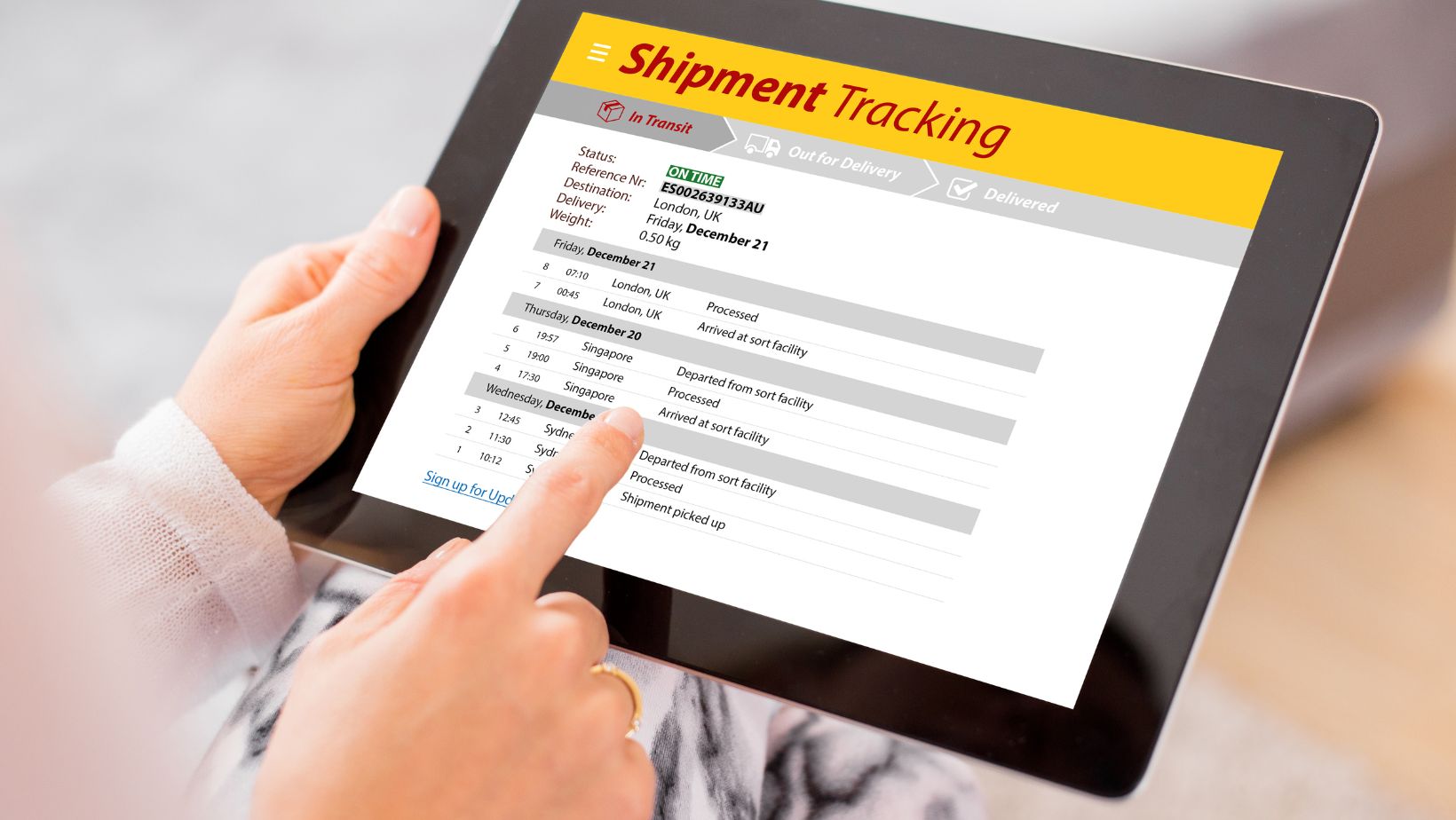
“Delivered” means a scan was recorded at your address. This is usually accurate, but not always – misdeliveries happen, and occasionally a scan is recorded in error before the actual delivery occurs. If you receive a “delivered” notification but find nothing at your door, wait an hour before escalating. Packages occasionally get scanned delivered at a neighbor’s address by mistake.
The Statuses That Actually Signal A Problem
| Status | What it means | When to act |
| In transit (3+ days, no update) | Package stuck or delayed at facility | Contact carrier after 5 days |
| Exception | Something unexpected happened – weather, address issue | Act immediately, check details |
| Delivery attempted | No one home, or access issue | Arrange redelivery or pickup |
| Returned to sender | Undeliverable for some reason | Contact seller directly |
| Clearance delay | Held at customs (international) | May require documentation from you |
The “exception” status is the one that deserves immediate attention. It’s a carrier’s catch-all for anything that prevented normal processing – an unreadable label, a weather event, an address that couldn’t be matched in the system. Ignoring it for several days can result in the package being returned.
What To Do When Tracking Stops Updating
A tracking page that hasn’t changed in three or four days during transit is frustrating but not necessarily a sign of loss. Packages moving through high-volume facilities often go unscanned for extended periods simply because the volume of shipments exceeds the number of scan events. Ground shipments crossing multiple regions are particularly prone to this. If tracking hasn’t updated in five or more business days, it’s reasonable to contact the carrier directly with your tracking number. They have access to internal records that don’t appear on the public tracking page and can often locate a package that appears to have gone silent.
The most useful thing to understand about package tracking is that it shows you the edges of the journey – the moments when someone scanned something – not the journey itself. Everything in between is inference. That’s why estimated delivery dates are estimates, not promises, and why the most accurate answer to “where is my package right now” is usually: somewhere between the last scan and your front door, moving at a pace the tracking page won’t confirm until it’s already there.